Off the legacy platform, one site at a time, with rankings and reporting intact.
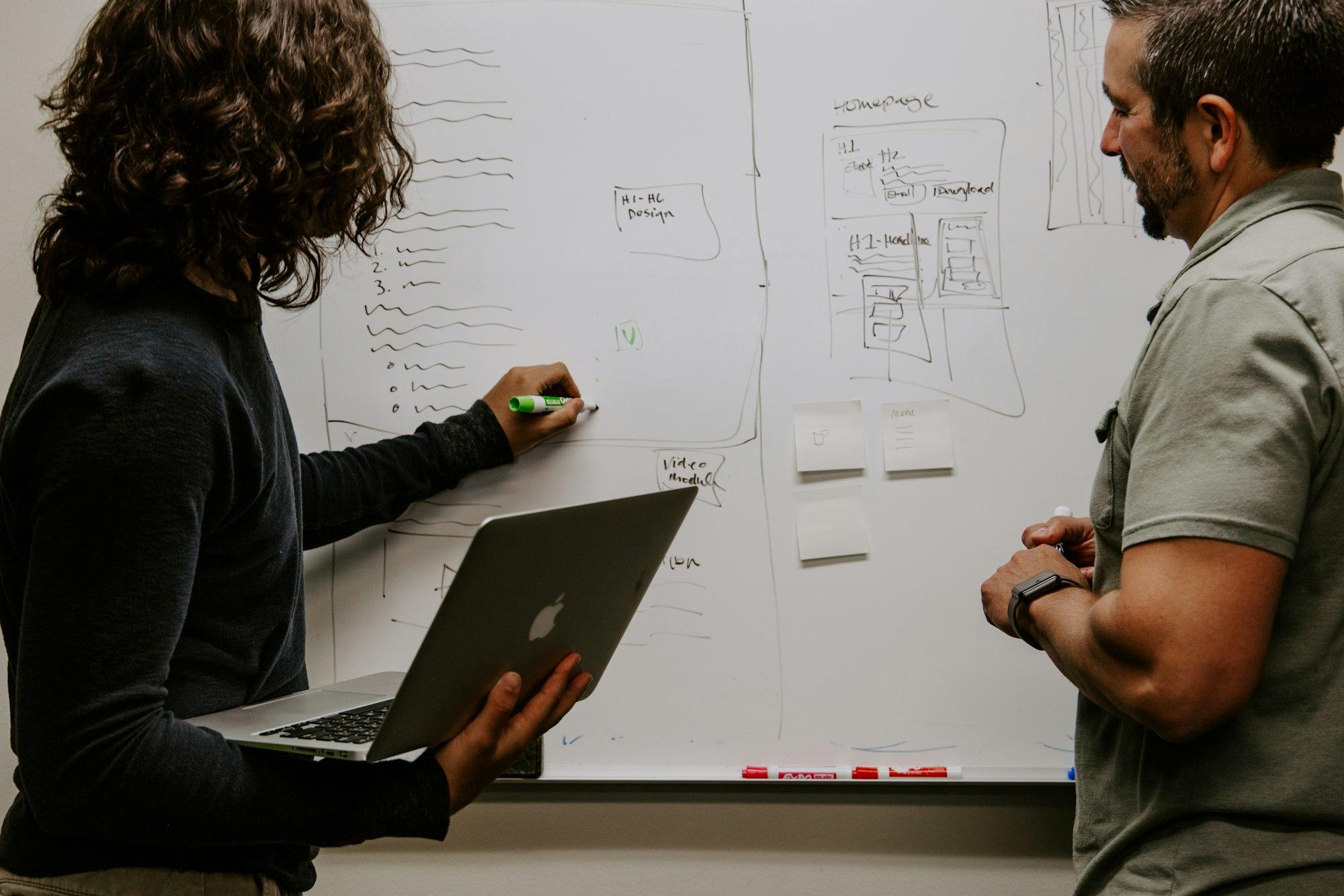
A migration fails in predictable ways: the content inventory was a guess, redirects were an afterthought, analytics broke on launch day, and everything moved at once. We plan for each of those from the first week of discovery, and we move in phases so there is always a working site and a way back.
Not every modernization is a replacement. Sometimes the right move is a new front end on the platform you have, or one capability lifted out at a time. We will lay the options side by side with what each costs to run.
- Adobe Experience Manager
- Sitecore
- Optimizely
- WordPress
- Drupal
- Contentful
- Storyblok
- Contentstack
- commercetools
What we do.
Take one area, or the set, with one senior team across all of it.
Estate discovery
Every site, template, component, integration and content type counted, with how much of it is actually used. The estate is almost always smaller than the license suggests.
Migration planning
Phases ordered by risk and value, with a parallel-running plan, a rollback for each step and the cost of staying set beside the cost of moving.
Content migration
Automated extraction, transformation and loading of content and assets, with editors reviewing by exception instead of rekeying pages.
SEO and analytics continuity
Redirect maps, metadata, structured data and tracking rebuilt and verified before launch, then monitored until rankings and reports have held.
Incremental modernization
New front ends, services and content moved behind the old platform a route at a time, so value arrives early and the legacy system shrinks until it can be switched off.
Multi-brand consolidation
Many sites and regions brought onto one governed platform with shared components, local control where it is needed and one release process.
What changes.
Nothing lost in the move
Rankings, reporting and campaigns carried across and verified, not hoped for.
Value before the end
Each phase ends with something live, so the program pays back while it is still running.
A smaller estate
Unused templates and content retired instead of migrated, which is often the cheapest decision in the program.
How it runs.
Every engagement is scoped to you in writing before work starts. The shape is usually this.
- 01
Inventory
Count what exists and what is used, and agree what will move, what will merge and what will be retired.
- 02
Move in phases
One site or capability at a time, old and new running side by side until the new one has proven itself.
- 03
Switch off
Decommission the legacy platform on a date the business chose, with the license saving confirmed.
Proof from the work.



Good ways to start.
Small, defined pieces of work that give you something useful on their own and tell us both whether there is more to do.
- Platform MigrationThe decision is made. Now the estate has to move.
- Platform SelectionYou have to choose a platform, stack, or model, and every firm advising you has a reason to prefer an answer.
- Program RecoveryYour program is behind, the integrator is still billing, and the decisions that would unblock it are architectural.
Questions about this service
Do we have to move everything at once?
No, and we would advise against it. Phased migration with the old and new platforms running side by side lowers the risk, spreads the cost and lets you stop at any phase with something working.
Will we lose search rankings?
Not if redirects, metadata and structured data are planned from the start and verified before and after each launch. We monitor rankings through the move and fix regressions as they appear.
What if our current program is already in trouble?
That is a common starting point. We establish why it stalled, make the decisions that have been deferred, and write a plan your team and integrator can both sign.
Often paired with.
- Adobe Experience ManagerSupport, optimization and upgrade planning for AEM, and a clear-eyed exit when the numbers say so.
- Content & Commerce PlatformsCMS, headless CMS, DXP and commerce, built on the technology you have and integrated end to end.
- Strategy & AdvisoryDigital strategy, platform selection, architecture review and program recovery from senior people.
Tell us what you are trying to build.
A journey that leaks, a platform you need to change, marketing you cannot measure, or an AI bill nobody can explain. Thirty minutes with someone senior, and a clear next step either way.